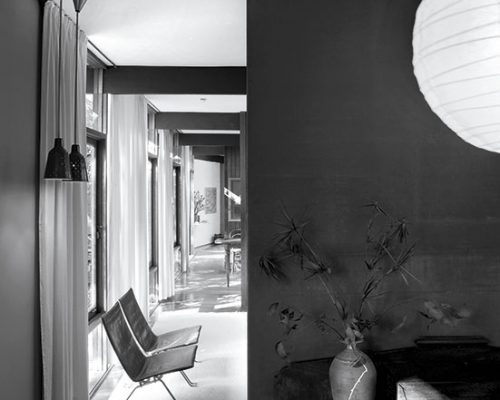
Russell Jack House was inspired by Japanese architecture and the organic work of Frank Lloyd Wright.
It was designed by Russell Callam Jack and John Allen in association with Pamela Jack. The house won the Sulman Award for domestic architecture in 1957.
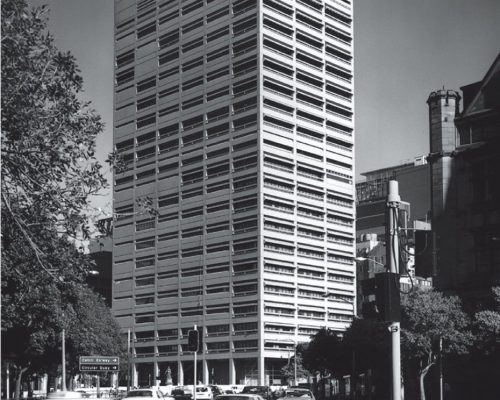
The former Reader’s Digest Building in Surry Hills is associated with three prominent and respected professionals.
These were architect and scholar John James; designer and sculptor Douglas Annand; and landscape architect Bruce Mackenzie. The highly accomplished result combines architecture, sculpture and landscaping.
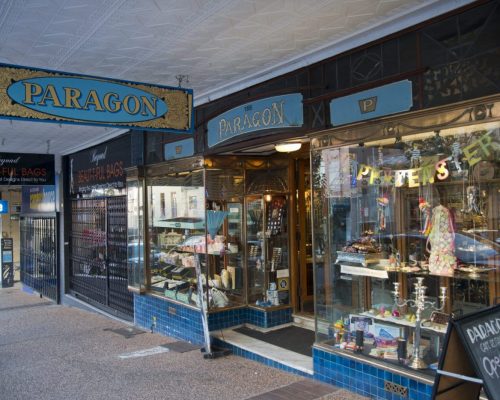
Since the 1930s, the Paragon has been a special place – and meant much to many generations.
The restaurant’s contribution to the rich heritage of the Blue Mountains and the state was at last recognised when it was included in the Heritage Council of NSW’s State Heritage Register. Although sadly, it was closed indefinitely in 2018.
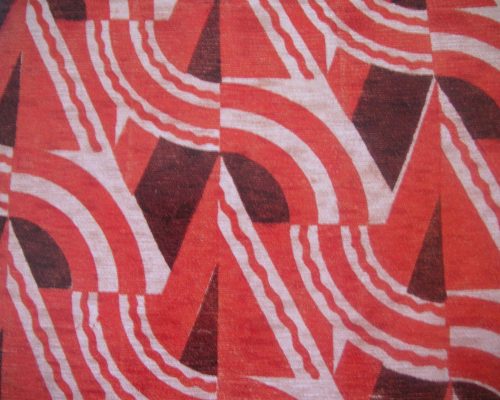
By the early 1930s, there was a trend away from the profuse ornamentation and stylistic excesses of Art Deco.
Influenced by the Bauhaus, interior decorators were increasingly turning to textural effects, rather than surface decoration, in their choice of furnishing fabrics.